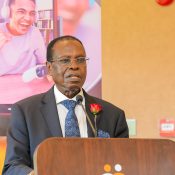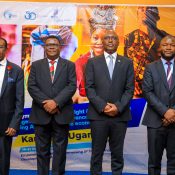



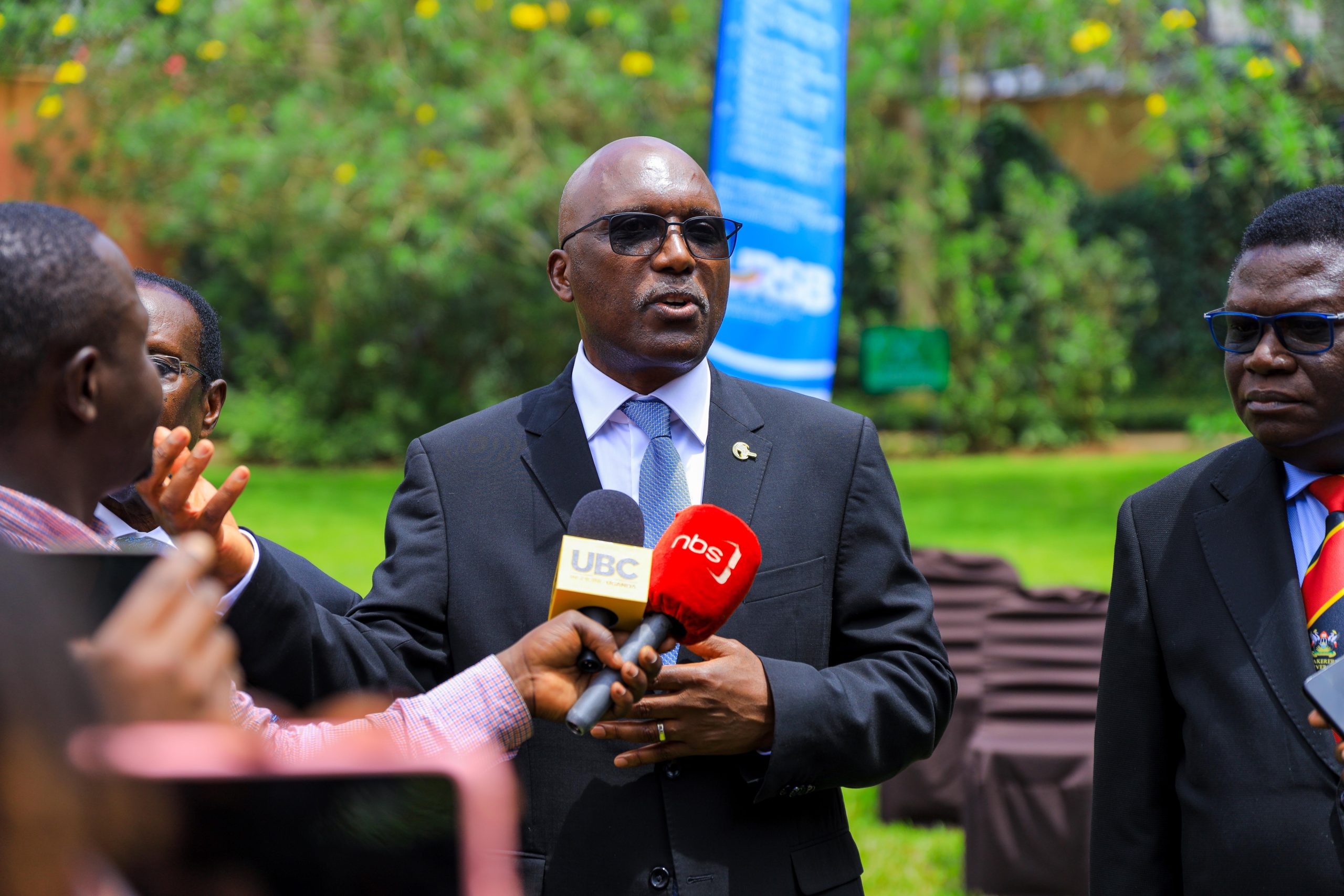
African Regional Intellectual Property Organization (ARIPO) Director General Mr. Bemanya Twebaze has called for stronger copyright systems to ensure African creators earn fairly from their work as music, film, literature, fashion and other creative products reach wider markets.
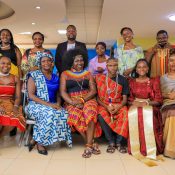
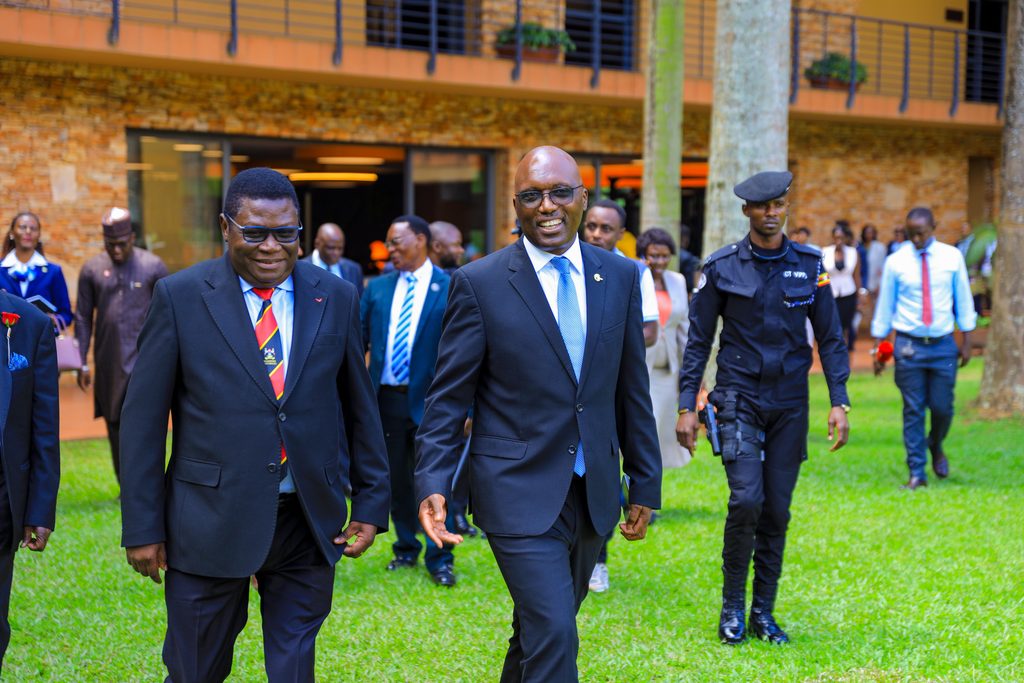
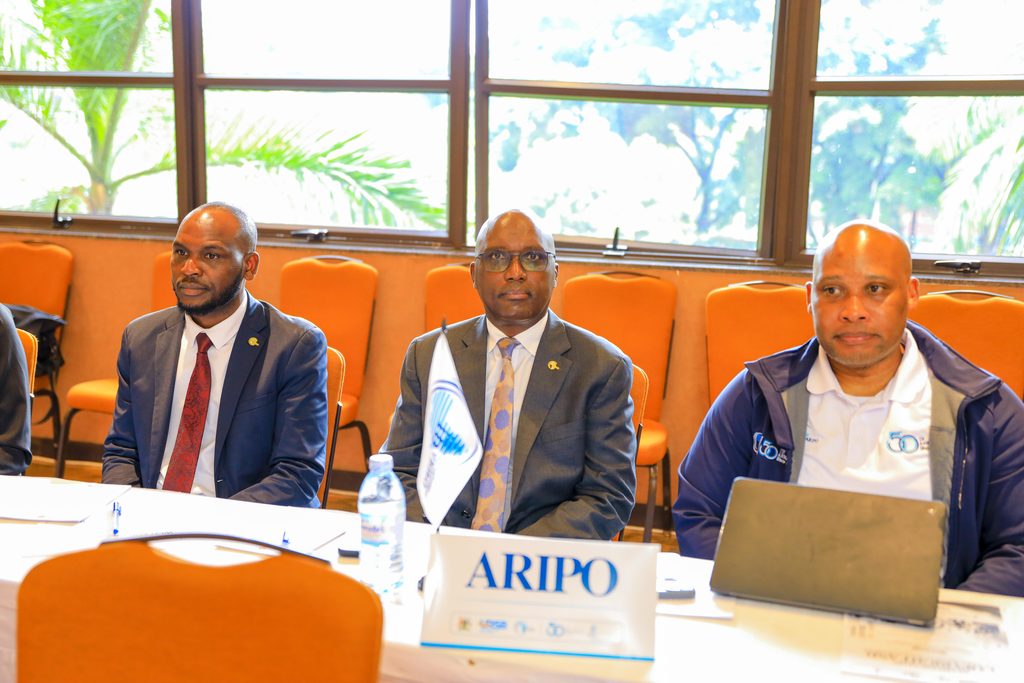
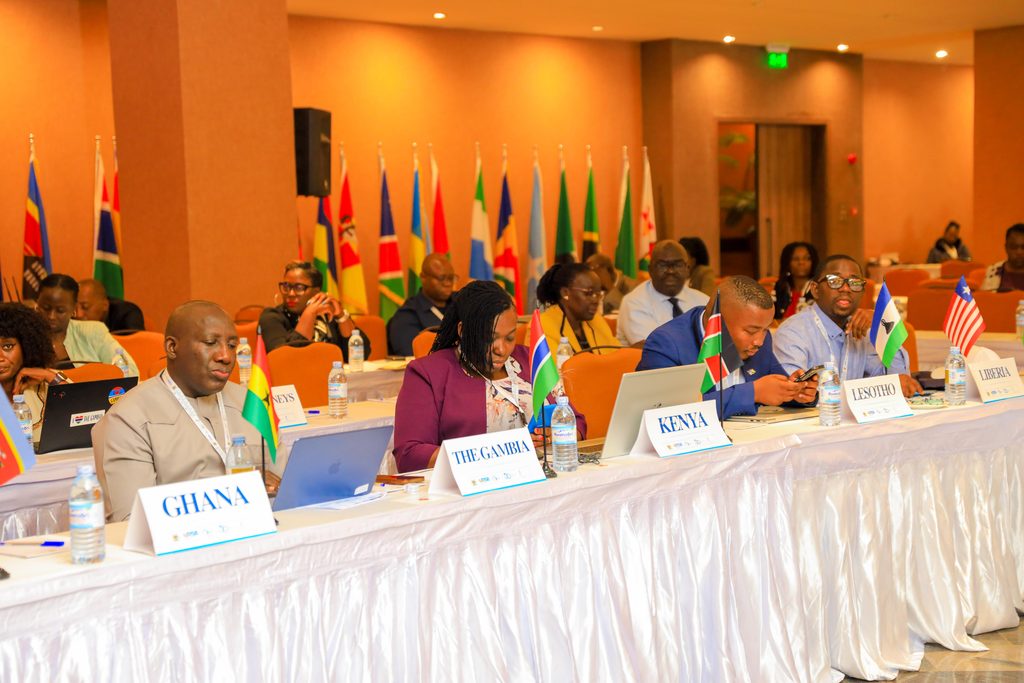
This was during the Symposium on Copyright and Related Rights Management held at Speke Resort Munyonyo, Kampala, from October 19–21, 2026.
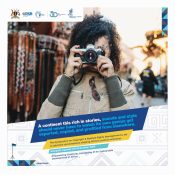
The symposium, held under the theme “Empowering Creativity: Harnessing IP for Sustainable Development in Africa,” brought together policymakers, copyright administrators and creative industry stakeholders to discuss ways of strengthening copyright management across the continent.
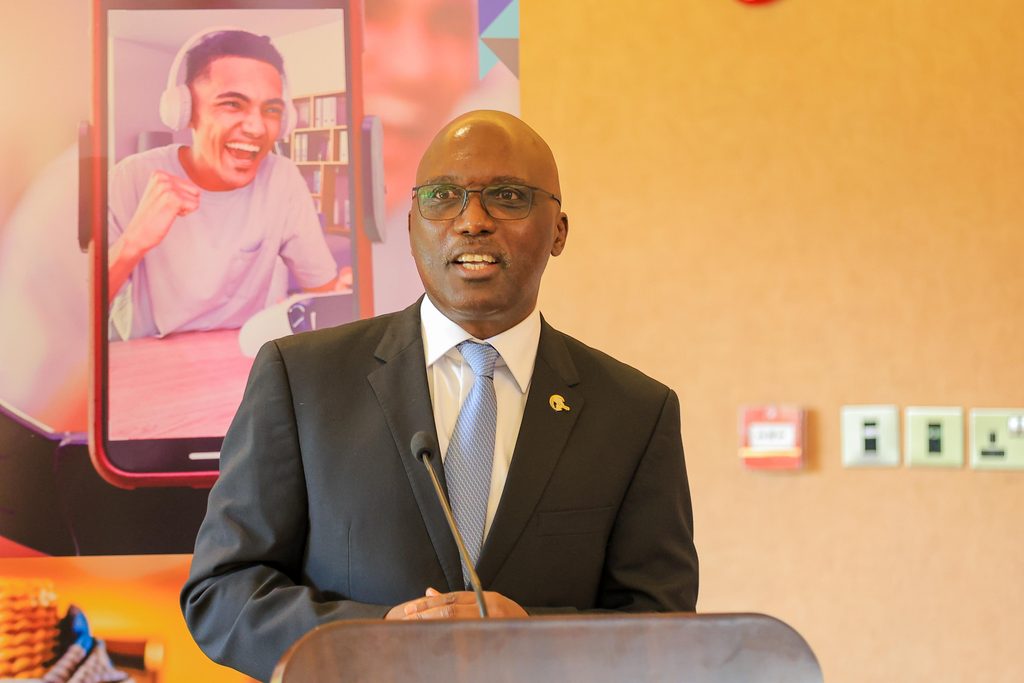
“Copyright is an essential economic infrastructure for Africa’s creative industries,” Mr Twebaze said, emphasising the need for effective licensing, transparent royalty systems and stronger cooperation among countries.
He noted that while African creative works are increasingly reaching international audiences, greater visibility does not always translate into fair payment or recognition for the people behind them.
“Africa’s creative talent is increasingly visible. Our music, literature, film, visual arts, fashion and cultural expressions reach audiences across the world. Yet visibility does not automatically bring recognition, bargaining power or fair remuneration for creators,” he said.
Mr Twebaze called for practical systems that enable creators to identify and manage their rights, license their work on fair terms and receive the income due to them.
He emphasised that Africa must focus on turning its creative potential into sustainable livelihoods, stronger businesses and economic opportunities for its people.